

I constantly thank God that I was raised by a mom who prioritized what we put in, on, and around our bodies before it was trendy. My mom had a miscarriage between my sister and me. Then, my brother, my mom’s third baby, had very severe asthma as a baby. This led to her beginning to research how what we put into our bodies affects us. It started with her trying to find the root cause of asthma. Then she began to realize how much diet affected not just asthma, but so many common ailments that adults and children struggle with. So she started reading ingredient labels and studying different ingredients commonly found in our food, and it spiraled from there.
Truthfully, I hated it as a child. I craved Gatorade, Doritos, and especially sweets. We were most definitely an ingredient household. As I grew up, and especially once I got into high school, I started to notice things. I began to see a difference in what I ate and how I felt. The days my lunch consisted of organic fruits and vegetables, locally sourced meat, and snacks containing only a few simple ingredients, I was energetic, clear-minded, and focused. The days I grabbed lunch from the drive-through, I was sluggish, irritable, and anxious. Don’t get me wrong, I still indulge in a junk-filled Starbucks drink and sweets every once in a while. I’m not perfect. But I am mindful, and that makes all the difference.
I brought that mindset into my adult life. Once I bought my house, I was conscious about the foods I bought. Then it turned into researching the cleaning products I use. Think about it - the laundry detergent you use sits on your skin 24 hours a day. The soap you use to clean your dishes ends up on your food and in your drink, which you then ingest. You’re breathing in the products you use to clean your bathroom every time you take a shower, brush your teeth, or use the restroom. I’m a firm believer that commonly used cleaning products are huge hormone disruptors and play a part in the fertility issues so many of our women are facing. There's more and more research coming out supporting this belief.
Then I started looking into what I was actually putting on my skin. Don’t even get me started on the horrors of fragrances that are in so many lotions, body washes, perfumes, shampoos - the list goes on. One of the active ingredients in many toothpaste brands is Fluoride, which we put into our mouths at least twice a day. A study done by researchers from Harvard School of Public Health and China Medical University reviewed 27 studies and found indications of an association between fluoride exposure and lower cognitive performance in children. Plastic shower curtains, particularly those made with polyvinyl chloride (PVC), are heated up in the shower and inhaled by our children and us. PVC is known to cause respiratory irritation, damage to the central nervous system, liver and kidneys, nausea, headaches, and lack of coordination. The plastic sheets we sleep on, and clothes we wear, touch our skin 24/7. It’s truly a never-ending rabbit hole.
I find that a common objection to making these lifestyle changes is how overwhelming and expensive it seems. You don’t need to dispose of every single food item, cleaning product, and cosmetic in your house all at once. Start small - the next time you go to the grocery store, take a closer look at the ingredients in what you’re buying. There are quite a few apps out there that rate the ingredients in different items and products. Next time you’re out of dish soap or laundry detergent, make the switch to a cleaner brand. Make the swaps little by little, one at a time. Don’t become another statistic, easily manipulated by a piece of pretty packaging.
If I were starting over, these are the first five swaps I would make.
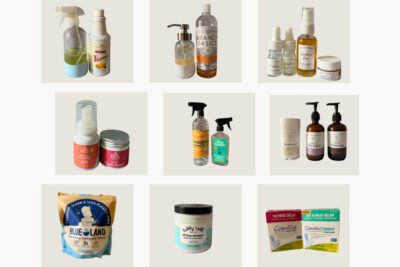
1.) Laundry Detergent
1.) Your skin is your largest organ. The laundry detergent that you use affects the sheets you sleep on, the towel you dry your body with, and the clothes you wear. My favorite is 9 Elements.
2.) Sheets
Going along with protecting your skin, the average person spends 26 years of their life in their bed (according to a quick Google search). Making the switch to organic cotton sheets is such a small change, yet one that will affect you for a large amount of time.
3.) Skincare
Again, protecting our skin is so important. Formaldehyde, mercury, and a multitude of other toxins known to cause damage to the kidneys, nervous system, and reproductive system are commonly found in skincare products that saturate the market. The average American woman uses an average of 12 personal care products. Toxins found in these products are applied to the skin and absorbed into the bloodstream.
4.) Cookware
Aluminum & Teflon are two things commonly found in pots and pans. They get into our bodies through our food and accumulate in our tissues. I'm a big fan of cast iron, but stainless steel is a good option as well. I also use locally made wooden cutting boards and glass tupperware.
5.) Dish Soap & Dishwasher Tablets
Nontoxic dishes are a great start, but it doesn't do much good if we're cleaning them with soaps made with dyes, formaldehyde, and phthalates, all of which are linked to developmental, reproductive, brain, and immune problems.
My rule of thumb is that if it's going in or on my body, it's worth the minute or two it takes to make sure it's a safe product.